BA in Dene
The Bachelor of Arts in Dene was launched in the Fall of 2017, due to a need for a program that would help to begin healing, reclaim ceremony and the Denesųłı̨né language for the Cold Lake First Nations Dene. Development of the program began under the guidance of five powerful language advocates: the late Alex Janvier, the late John Janvier, Agnes Gendron, Lynda Minoose, and Allan Jacobs.
Meetings and dialogues resulted in a mandate to reclaim the world of Denesųłı̨né language and ceremony whilst acknowledging and holding the memories of the atrocities inflicted by Indian Residential Schools. UNBQ has implemented this mandate into our Dene course syllabi and is constantly working to balance it within our academic teachings. Our classes engage students in ceremony and the Denesųłı̨né cultures at all times.
The BA in Dene is a 3-year program. In this program, students learn in classroom settings, out on the land with land-based specific teachings, online with virtual technology and in a hybrid that includes both in-person and online segments. After all, Language is culture.
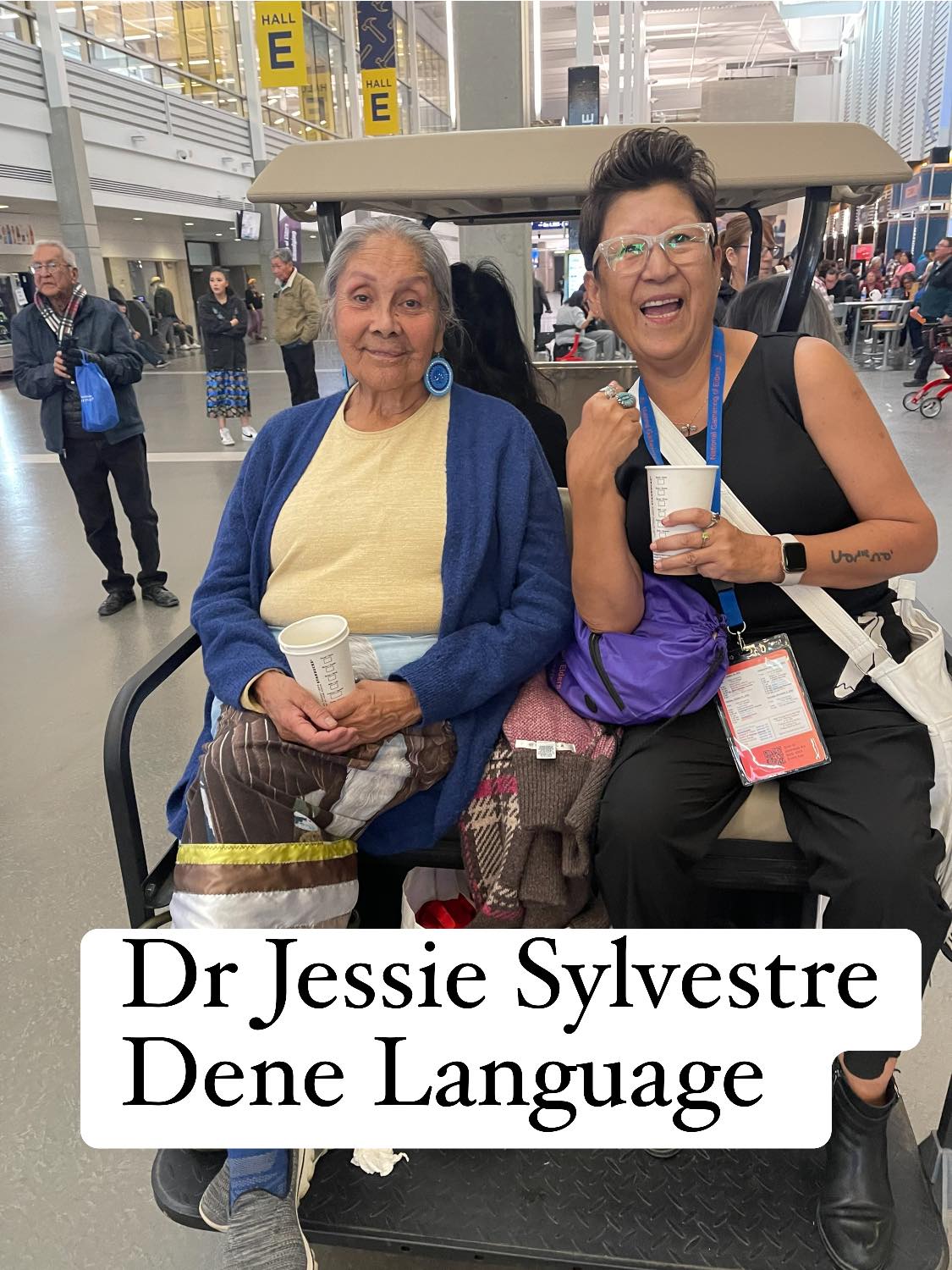
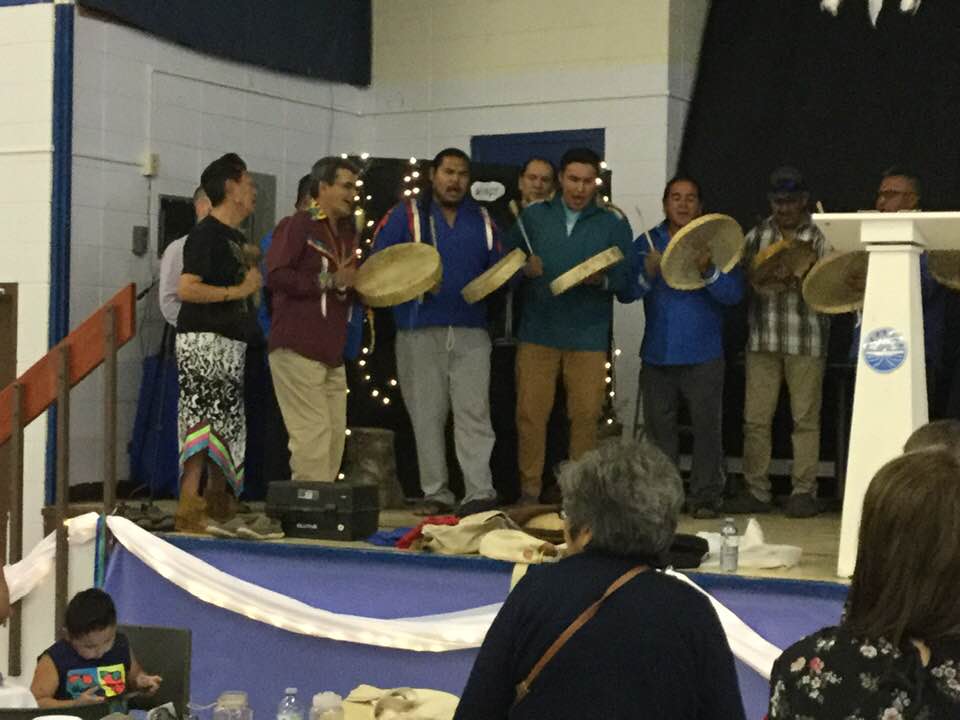
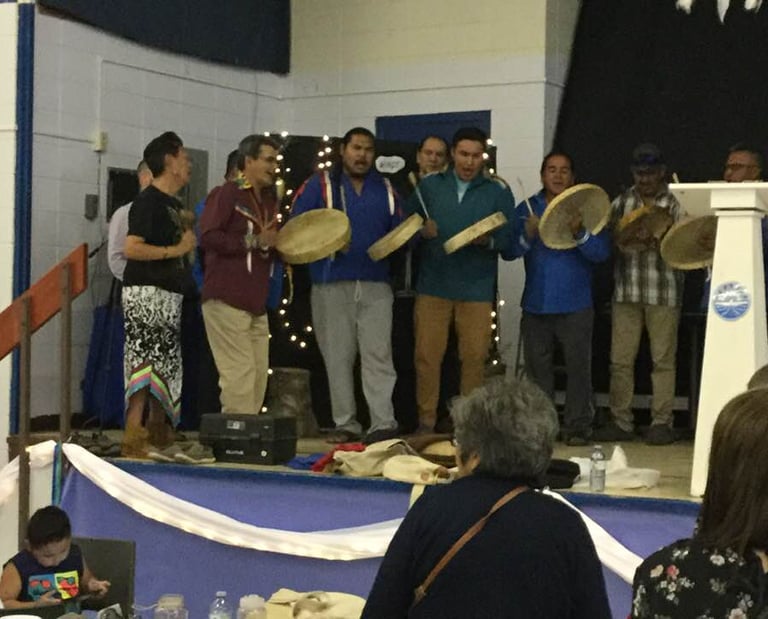
University nuhelt'ine tahiyots;i nistameyimakanak Blue Quills offers a three year programs in the dene Language. Whether you are looking for a 1-yr Certificate, 2-yr Diploma, or a 3-yr Bachelor of Arts in Dene Language, all our courses focus on developing the student’s level of fluency and literacy, while grounding students in ancestral knowledge and skills, as well as in the Dene grammar and second language acquisition methods. Graduates from these programs will be prepared to work in classrooms and support language revitalization initiatives in their territories.
The first year will have a heavy immersion focus, a process oriented class balancing individual and group activities. Fluent speakers will assist students in understanding the morphological nature of the Dene language.
Second and third year students will continue to focus on:
Improving students level of fluency
Study of Dene grammar and morphology
Reading and writing in SRO and syllabics
Oral traditions of storytelling and public oration
will also be utilized to build on students’ fluency
Contact us
Address
Box 279
St. Paul, AB
T0A 3A0
Canada
© 2024. All rights reserved.